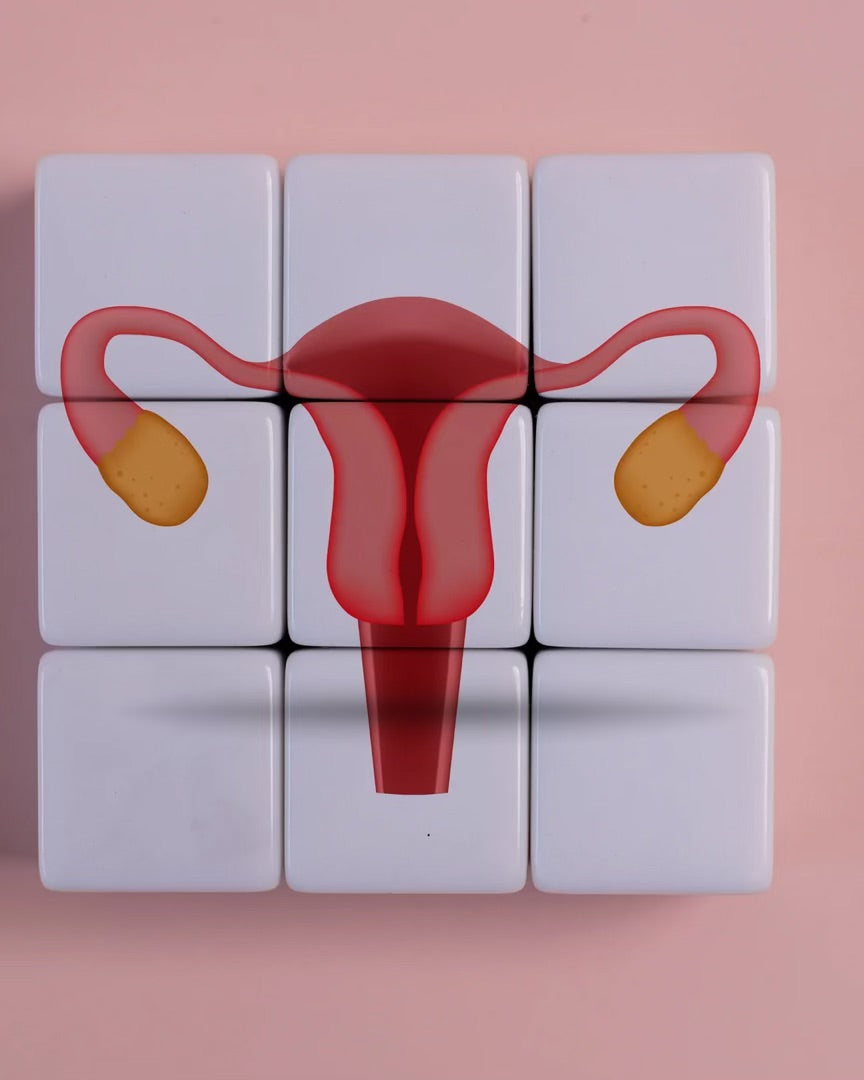
For decades, millions of women around the world have lived with a condition known as Polycystic Ovary Syndrome, or PCOS. In the UK alone, it is estimated to affect around 1 in 10 women, while globally the figure is believed to be between 11% and 13%. Yet despite being one of the most common hormonal conditions affecting women, it remains widely misunderstood, underdiagnosed, and underfunded in research.
On 12 May 2026, the condition officially received a new name: Polyendocrine Metabolic Ovarian Syndrome (PMOS). The change reflects a growing understanding among researchers and healthcare professionals that this condition is far more complex than its old name suggested. PCOS focused attention mainly on the ovaries and the presence of so-called “cysts”, but the reality is much broader.
In fact, the “cysts” associated with PCOS are not true ovarian cysts at all. They are small follicles , tiny sacs in the ovaries that begin to develop eggs but stop before releasing them. This misunderstanding has caused confusion for years, especially because many women diagnosed with the condition do not even have these follicles visible on ultrasound scans.
The new term PMOS highlights what specialists now recognise: this is not only a reproductive condition, but a lifelong hormonal and metabolic disorder that can affect the entire body, including mental health and emotional wellbeing, making the condition far more complex than previously understood.
The history of the condition itself reflects this evolving understanding. Some researchers trace descriptions of the syndrome back to the nineteenth century, but it was doctors Irving Stein and Michael Leventhal who first formally described it in the 1930s. For many years, it was known as “Stein–Leventhal Syndrome” before becoming widely recognised as PCOS during the 1990s. By then, scientists had started to identify links with insulin resistance , a condition where the body struggles to process sugar properly, as well as weight fluctuations and increased risks of diabetes and cardiovascular disease.
Today, experts increasingly argue that the old name no longer reflects the lived reality of women with the condition.
PMOS can affect women from adolescence all the way through to menopause. While irregular periods, acne, excessive hair growth, fertility difficulties, and weight changes are among the most recognised symptoms, the condition’s emotional and psychological impact is often overlooked.
Many women with PMOS experience anxiety, depression, low self-esteem, eating disorders, and negative body image. Hormonal imbalances can affect mood and mental health, while visible symptoms such as acne, hair thinning, or facial hair growth can deeply impact confidence and social relationships. Studies also show higher rates of psychosexual difficulties, including reduced self-confidence in intimate relationships and emotional distress linked to infertility.
The effects are not temporary. Although some reproductive symptoms may lessen with age, the metabolic and psychological consequences often continue long after fertility concerns decline. Research suggests that depressive symptoms frequently persist into later adulthood and menopause.
Diagnosis itself can be a long and frustrating process. Many women spend years seeking answers, often attending multiple medical appointments before receiving a diagnosis. Because symptoms vary greatly from person to person, many women are initially dismissed or misdiagnosed.
The impact on fertility is also significant. Women with PMOS are around 15 times more likely to experience infertility than women without the condition. However, specialists stress that infertility does not mean sterility. Many women with PMOS do go on to have children naturally or with fertility support, although the process may take longer.
Pregnancy can also carry additional risks. Women with PMOS are more likely to experience complications such as miscarriage, high blood pressure during pregnancy, gestational diabetes, premature birth, or pre-eclampsia, a potentially dangerous condition linked to high blood pressure and organ stress during pregnancy. These complications can affect both mothers and babies and may even influence the long-term health of future generations.
Scientists also believe genetics play an important role. Family and twin studies strongly suggest that PMOS can run in families, although researchers are still trying to fully understand the causes and triggers behind the condition.
Treatment options remain limited and are often focused on managing symptoms rather than addressing the root causes. Hormonal contraceptive pills are commonly prescribed to regulate periods and reduce symptoms linked to higher testosterone levels, such as acne or excess hair growth. Some women may also use hormone-based intrauterine devices (IUDs), although these treatments can themselves cause side effects including acne or hair loss.
This is one of the reasons why the renaming matters so much. Supporters of the new term PMOS believe it better reflects the full complexity of the condition and encourages healthcare systems to move beyond a narrow reproductive focus.
However, changing the name alone is not enough.
Many women and advocacy groups argue that what patients truly need is faster diagnosis, greater awareness among healthcare professionals, more investment in research, and wider treatment options tailored to individual experiences. Researchers are currently exploring new biomarkers, measurable biological signs that could improve diagnosis , alongside more personalised treatments that take into account hormonal, metabolic, and psychological differences between patients.
For now, the transition will likely be gradual. Many doctors, including within the NHS, still use the term PCOS, and patients may continue hearing both names interchangeably for years to come.
But for many women, the shift from PCOS to PMOS represents more than a medical rebranding. It is recognition that this condition affects far more than ovaries alone. It affects mental health, metabolism, fertility, identity, and quality of life across every stage of womanhood.
The new name is a step forward. What women are still waiting for is the research, understanding, and treatment progress to match it.
If you’d like to learn more, explore our app it’s packed with health insights in every format you love, from videos and e-books to easy-to-read articles, all designed to help you feel your best.
As I conclude, know that you are not alone on this path to better health and wellness. Your journey is unique but together we form a community of strength and support.
Let’s thrive together,
Cristina x
Sources:
Nasiri-Amiri, F., Faramarzi, M., Omidvar, S. & Alizadeh-Navaei, R. Depression and anxiety in adolescents and young women with polycystic ovary syndrome: a systematic review and meta-analysis. Int. J. Adolesc. Med. Health 35, 233–242 (2023).
Cooney, L. G. & Dokras, A. Cardiometabolic risk in polycystic ovary syndrome: current guidelines. Endocrinol. Metab. Clin. North Am. 50, 83–95 (2021).
Legro, R. S. et al. Evidence for a genetic basis for hyperandrogenemia in polycystic ovary syndrome. Proc. Natl Acad. Sci. USA 95, 14956–14960 (1998).
Sophie Williams, What’s in a name? Understanding the change from PCOS to PMOS , May 2026