

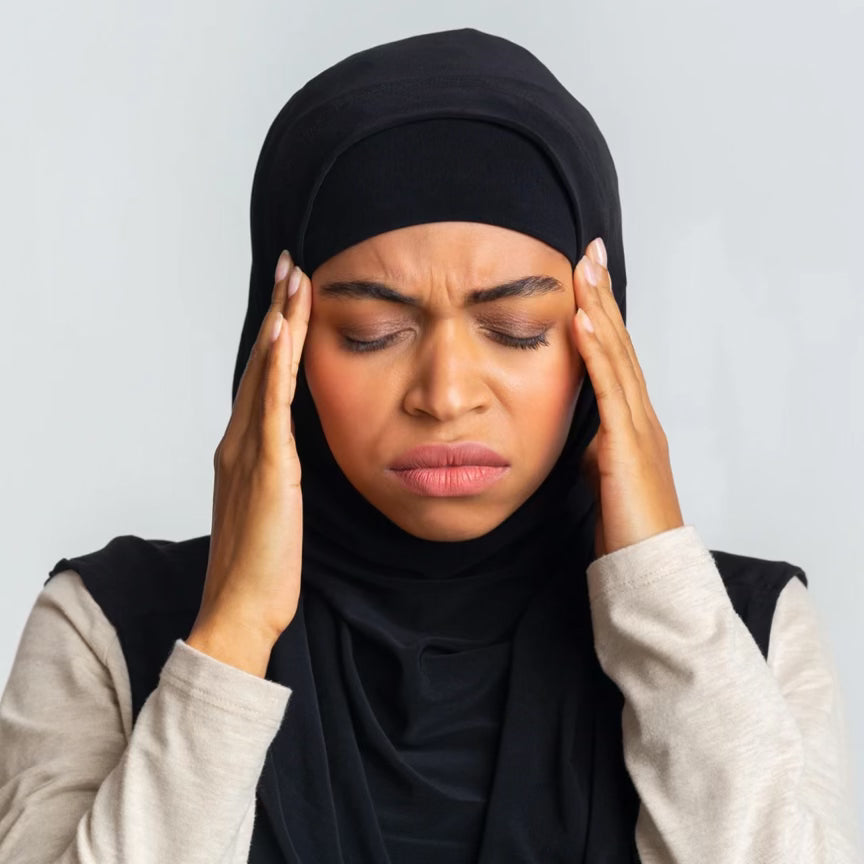
Many women notice that their pain seems to follow a pattern, often worsening at certain times of the month. This isn’t a coincidence. Hormonal fluctuations, particularly changes in oestrogen and progesterone, can have a powerful influence on how our bodies experience pain.
Let’s explore how this works in three common conditions: migraines, endometriosis and fibromyalgia.
First, what do we mean by “hormonal fluctuations”?
Throughout the menstrual cycle, levels of the hormones oestrogen and progesterone naturally rise and fall. Oestrogen, in particular, doesn’t just regulate reproduction , it also affects the brain, the immune system, and the way our nerves process pain.
When hormone levels shift rapidly (for example, just before a period), this can alter how sensitive the nervous system is to pain signals.
Migraines
A migraine is not “just a headache”. It is a neurological condition (meaning it involves the brain and nervous system) that can cause throbbing head pain, nausea, and sensitivity to light and sound.
Many women experience menstrual migraines, which occur just before or during their period. This is largely linked to a sudden drop in oestrogen levels. Oestrogen helps regulate chemicals in the brain such as serotonin, which influences pain pathways (the routes through which pain signals travel in the nervous system). When oestrogen falls, these pathways can become more reactive, triggering migraine attacks.
This is why migraines often improve during pregnancy (when oestrogen levels remain steadier) and may worsen around perimenopause (when hormones fluctuate unpredictably).
Endometriosis
Endometriosis is a condition where tissue similar to the lining of the womb grows outside the uterus, for example, on the ovaries or other pelvic organs. This tissue still responds to monthly hormonal changes, which can cause inflammation (swelling and irritation) and significant pain.
Oestrogen stimulates this tissue to grow. Higher levels can therefore worsen symptoms. At the same time, hormonal shifts can increase the production of prostaglandins , hormone-like chemicals that contribute to inflammation and cramping.
In simple terms: hormonal changes don’t just influence endometriosis , they actively drive it.
Fibromyalgia
Fibromyalgia is a chronic (long-term) pain condition characterised by widespread muscle pain, fatigue and sleep disturbance. It is thought to involve central sensitisation, a term used to describe an overly sensitive nervous system that amplifies pain signals.
While fibromyalgia is not directly caused by hormones, many women report flare-ups during hormonal shifts , particularly before menstruation or during menopause. Oestrogen appears to play a role in regulating pain sensitivity and inflammation. When levels fall, the nervous system may become more reactive, intensifying symptoms.
Understanding the link between hormones and pain can be empowering. It helps explain patterns, reduces self-blame (“Why is this worse now?”), and opens up more personalised approaches to treatment.
For some, tracking the menstrual cycle alongside symptoms can reveal helpful insights. For others, hormonal treatments, lifestyle adjustments, or nervous system support strategies may be beneficial , always guided by a healthcare professional.
Hormones are not simply reproductive messengers , they are powerful regulators of the brain, immune system and pain pathways. When they fluctuate, pain conditions such as migraines, endometriosis and fibromyalgia can shift too.
Recognising this connection is the first step towards working with the body!
If you’d like to learn more, explore our app it’s packed with health insights in every format you love, from videos and e-books to easy-to-read articles, all designed to help you feel your best.
As I conclude, know that you are not alone on this path to better health and wellness. Your journey is unique but together we form a community of strength and support.
Let’s thrive together,
Cristina x



1 comment
Thank you for publishing such a compassionate and informative article on fibromyalgia. It’s wonderful to see quality content that helps raise awareness and supports those living with this condition. I’ve also found valuable resources at https://painrxaustralia.com/. Keep up the excellent work!