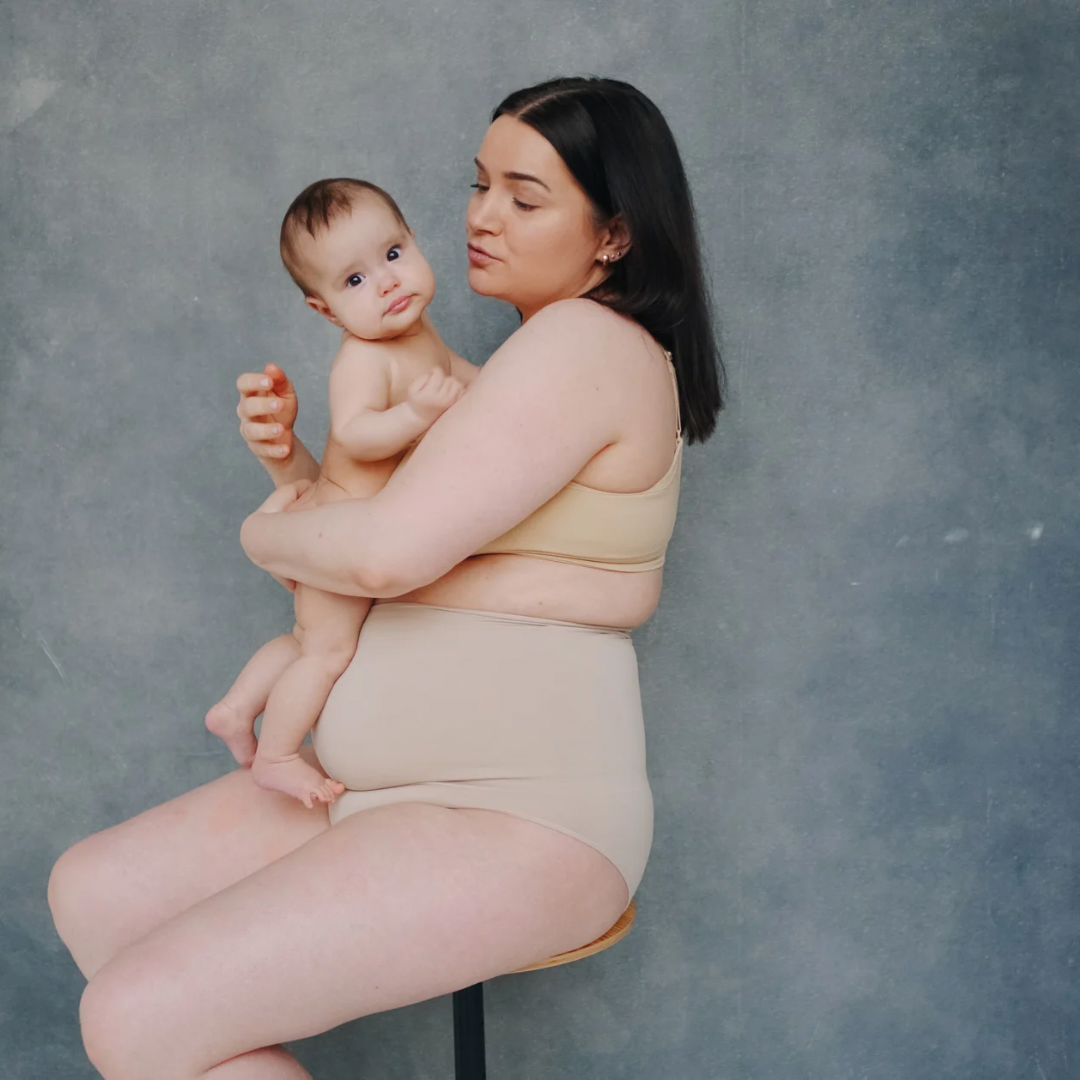
The postpartum period is a time of immense change for new mothers, both physically and emotionally. While it is often celebrated as the start of a new chapter, it can also be a challenging time, with many women experiencing a range of physical and mental health issues as their bodies recover and adjust after childbirth. Here are some of the most common postpartum issues women face:
Physical Recovery After Birth: Whether a woman has had a vaginal delivery or a caesarean section, the physical recovery process can be significant. The body needs time to heal from the trauma of labour and delivery, and there are various issues that may arise.
Perineal Discomfort: For women who give birth vaginally, perineal discomfort is common. This can include soreness, swelling, and even stitches from any tears or episiotomies (cut in the area between the vagina and anus - perineum) during childbirth. To alleviate discomfort, using ice packs or warm baths can help soothe the area, and wearing loose-fitting clothing can reduce irritation.
C-Section Recovery: After a caesarean section, the recovery process can be more prolonged due to the surgical incision. Pain at the incision site, reduced mobility, and the risk of infection are all factors to consider. It's essential to follow proper care instructions for the wound and avoid strenuous activities to allow healing.
Incontinence and Pelvic Floor Weakness: Many women experience bladder incontinence after childbirth, especially in the early months. This can occur due to pelvic floor muscles being stretched or weakened during labour. Kegel exercises can help strengthen these muscles and improve bladder control over time.
Abdominal Separation (Diastasis Recti): Abdominal separation, or diastasis recti, occurs when the two halves of the abdominal muscles separate during pregnancy. This can result in a noticeable bulge in the stomach area. With physical therapy and specific exercises, the condition can be managed and improved.
Hormonal Changes and Mood Swings
Hormonal fluctuations are one of the main contributors to postpartum emotional challenges. The sharp drop in hormones, such as oestrogen and progesterone, after childbirth can lead to mood swings, irritability, and even more serious mental health conditions.
Baby Blues: The baby blues affect many new mothers and typically start within the first few days after delivery. Symptoms may include feeling tearful, anxious, or overwhelmed. This is often due to hormonal changes, lack of sleep, and the emotional adjustment to motherhood. It usually passes within two weeks without the need for medical treatment.
Postpartum Depression (PPD): For some women, the emotional challenges go beyond the baby blues and develop into postpartum depression. PPD affects about 1 in 7 new mothers within the first year after childbirth. PPD stems from a combination of hormonal changes, genetic predisposition, and environmental factors, yet up to 50% of cases remain undiagnosed due to the stigma surrounding the condition and patients' reluctance to disclose symptoms. Unlike the transient "baby blues" , PPD is more severe, often manifesting as persistent sadness, low self-esteem, sleep disturbances, anxiety, and difficulties bonding with the baby. Effective recognition and management of PPD are essential for optimising the health outcomes of the parent and infant.
Postpartum Anxiety: Many new mothers experience heightened anxiety, particularly around their baby's health or their ability to care for them. This can result in constant worry, panic attacks, or trouble sleeping. Support groups, therapy, and mindfulness techniques such as meditation can be effective in managing anxiety.
Hair Loss: Many women experience hair loss after childbirth due to hormonal changes. This usually occurs between 3 to 6 months postpartum, when the body’s hormones return to pre-pregnancy levels. While the hair loss can be distressing, it is typically temporary, and hair usually grows back within a few months.
Sleep Deprivation: New-borns often wake up several times a night for feeding, changing, and comfort. As a result, many mothers suffer from severe sleep deprivation during the early months. Lack of sleep can negatively affect both physical and mental health, leading to exhaustion, mood swings, and decreased immune function.
It’s crucial for new mothers to ask for help from family or friends whenever possible to ensure they get adequate rest. Napping when the baby sleeps, taking turns with a partner, or hiring a night nurse can help reduce sleep deprivation.
Body Image and Physical Changes
The physical changes that come with pregnancy and childbirth can affect a woman’s body image. Stretch marks, weight gain, and changes in breast shape can sometimes lead to feelings of self-consciousness or frustration. It’s important to remember that the body has gone through a major transformation to bring a new life into the world.
Support from loved ones, focusing on the body’s strengths, and taking small steps toward self-care (like gentle exercise or skincare routines) can help boost confidence and body positivity during this time of adjustment. However it is important to remember that the postpartum period is a time of both joy and challenges. While many women face physical, emotional, and mental challenges as they adjust to motherhood, some of which can persist for some time after childbirth, others are able to overcome these struggles more quickly. Some of the challenges outlined above are more difficult to navigate than others, but it is often the emotional and psychological hurdles that endure the longest and have the greatest impact. Body image is one such challenge. The idealised portrayal of the female body in society is far removed from that of a new mother, and it can be difficult to accept your new body, despite the repeated assurances that this is a natural stage of life.
Seeking support, whether from healthcare professionals, family, or friends, is essential in navigating this transformative time. Every woman’s postpartum journey is unique, and taking care of oneself is key to recovery and well-being.
If you’d like to learn more, explore our app it’s packed with health insights in every format you love, from videos and e-books to easy-to-read articles, all designed to help you feel your best.
As I conclude, know that you are not alone on this path to better health and wellness. Your journey is unique but together we form a community of strength and support.
Let’s thrive together,
Cristina x
Sources:
Karen Carlson; Saba Mughal; Yusra Azhar; Waquar Siddiqui, Postpartum Depression, 2024